Guide to Milan: What Study Abroad Students Should Know

Italy is a popular destination for students from other countries, thanks its beauty and endless options for learning inside and outside of the classroom. One of its liveliest metropolises, Milan is recognized for its business, fashion, design, and long history—just a few reasons why the city draws thousands of visitors each year.
Milan is a terrific destination for students studying abroad to discover how the old and new blend within Italy.
Interested in studying abroad in Milan? Bocconi University hosts international students for summer or you can browse our programs to see more options.
What is There to Do in Milan?
Milan is an essential destination, offering a wealth of attractions for anyone on a study program or internship. This remarkably modern Italian city is a major hub for fashion enthusiasts, a key center for musicians and performers, and boasts a dynamic cultural scene. Visitors flock to Milan's rich musical history and its numerous performance venues. Beyond the world of music and art, the city provides countless opportunities for sightseeing, activities, and dining experiences.
Popular Attractions
Milan offers a lot of interesting places to see, many of which are gorgeous and have a lot of history. If you're not sure what to do in Milan, start with these famous places.
The Duomo di Milano
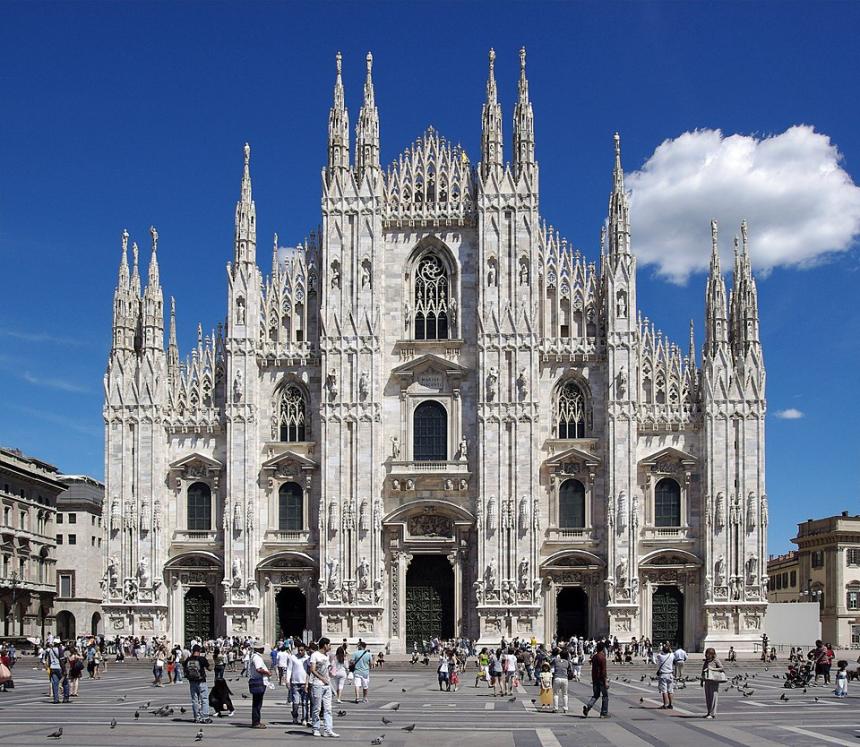
The Duomo di Milano, a monumental Gothic cathedral and one of the largest globally, is an absolute must-see in Milan. It's considered a masterpiece, taking over six centuries to complete, with the final details added in 1965. The church is incredibly detailed, boasting more than 3,400 statues, 135 spires, and numerous other intricate features. Visitors can explore the interior on a guided tour and then ascend to the roof for breathtaking city views.
Galleria Vittorio Emanuele II
This beautiful, glass-ceilinged venue is located just a short walk from the Duomo. It was created in 1877 and features high-end shops, historic cafés, and excellent dining options. The Galleria Vittorio Emanuele II (to name it) is a testament to Milan's long-standing reputation for style and sophistication, offering a truly fantastic place to enjoy a meal.
Theater alla Scala
Teatro alla Scala, one of the world's most renowned opera houses, has been a cultural cornerstone since its opening in 1778. It is significant for having premiered classic operas by legendary composers such as Verdi and Puccini. Due to its magnificent grandeur and exceptional acoustics, La Scala is an essential destination for opera aficionados. Its importance also highlights Milan's central role in global culture.
Navigli's Canals
While not as famous as the ones in Venice, the Navigli are Milan's own canals. They were incredibly vital for transportation and farming in the past and Leonardo da Vinci even helped create them.
The Navigli area is currently a popular neighborhood with cafes, art studios, and a thriving nightlife for those looking for local flair to explore.
The Courtyards Around Castello Sforzesco
Castello Sforzesco is a beautiful castle that shows what Milan was like in the Middle Ages. You don't need a ticket to roam about the castle's courtyards and grounds, but you do need one to get into the museums. The building and the atmosphere make it one of the top free things to do in Milan. You can experience both history and beauty in one visit.
Where Milan is Located?
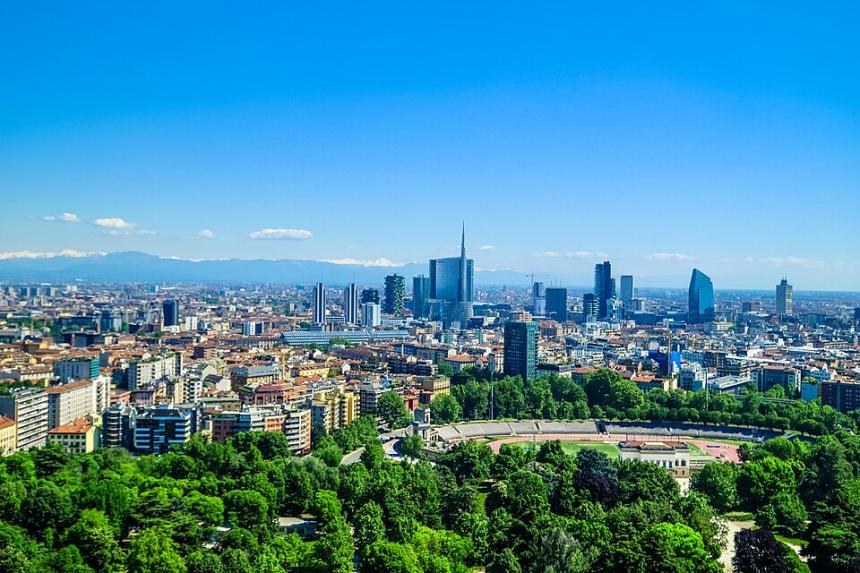
Milan sits in the midst of the Po Basin in the Lombardy region of northern Italy, one of the country’s most beautiful and culturally rich areas. The city rests on a mainly flat plain between the Ticino and Adda rivers, with the Alps rising dramatically to the north and the Po River stretching out to the south. This striking landscape not only gives Milan its unique character, but also places it in an ideal spot for exploring beyond the city limits.
Because of its location in northern Italy, Milan is perfectly positioned for weekend trips—both within Italy and beyond. Students can easily reach popular destinations like Lake Como, Genoa, Florence, and Venice by train. And thanks to Milan’s major international airport and high‑speed rail connections, quick getaways to Switzerland, France, Germany, or even other parts of Europe are easy too.
The Weather
Milan has a humid subtropical climate, which means that summers are hot and humid and winters are cold and gloomy. April to May and September to October are the best months to visit because the weather is beautiful and there aren't as many people.
Does it Snow in Milan?
In the winter, it can be cold and rainy, and it can snow, but the snow normally doesn't stay long and melts soon. From November to March, the weather can be slightly chilly and foggy. This means you can enjoy the city with more locals—or you can choose to study abroad on a summer program if you prefer to soak up sun!
What to Eat in Milan?
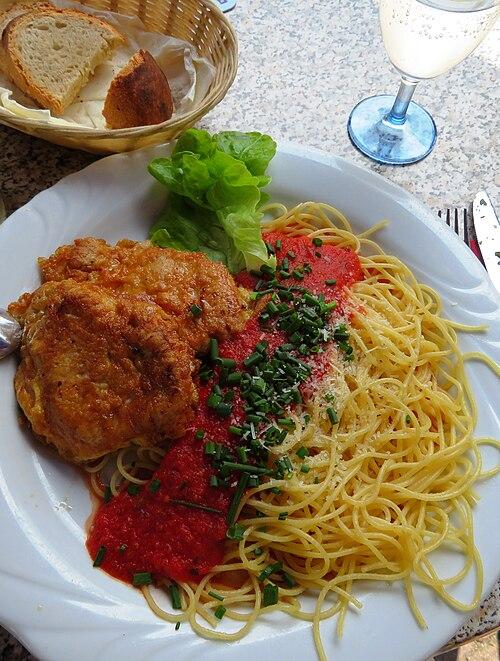
Milan is often associated with Italy’s culinary excellence, and there are many great spots for iconic Italian foods like pasta, gelato and pizza.
However, given those dishes originated in other regions, visitors should make sure to try authentic Milanese cuisine too. Like Naples and the Amalfi Coast, Milan offers a unique gastronomic heritage shaped by its history and northern Italian traditions.
One of the city’s most celebrated specialties is risotto alla Milanese, known for its luxurious saffron‑infused golden color. Legend has it that saffron was first added not by a chef but by an artist who used the pigment in stained‑glass work and joked about using it to brighten up the rice—eventually inspiring the now‑classic recipe.
Transportation in Milan
Milan is a big city, but it is still easy to get around. Its layout is easy to navigate, and its neighborhoods are well-connected, making it manageable even for first-time visitors.
One of the finest ways to see Milan is to walk and wander between different areas. Many of its most iconic museums, landmarks, and neighborhoods are within walking distance of one another such as the previously mentioned Duomo and Galleria Vittorio Emanuele II. Strolling through different areas helps visitors soak in the distinct character of each neighborhood and gives a better feel for local life. Just be sure to wear comfortable shoes!
Milan also has an extensive public transit system that includes metros, trams, and buses. They all run frequently and reliably, and cover nearly every corner of the city.
Visitors can take advantage of bike- and car‑sharing services, electric scooter rentals, and readily available taxis or ride-hailing apps.
Whether you prefer exploring on foot or relying on the city’s transit network, getting around Milan is easy, affordable, and convenient.
Why Study Abroad in Milan?
For your next European study abroad experience, Milan is an excellent choice. This dynamic, culturally rich metropolis offers much more than the typical tourist route, making its study abroad programs ideal if you seek a truly immersive and interesting Italian experience.
While Milan is famous as Italy's economic powerhouse and fashion capital, it is also a vibrant center for art, history, design, and innovation, providing students with an unparalleled academic and cultural environment.
Studying in Milan offers both academic rigor and a deep dive into Italian life, with endless opportunities to explore world-class museums, magnificent architecture like the Duomo di Milano, and cutting-edge contemporary culture.
When you're ready to find out more, book a consultation with an expert SAF counselor today!
Related Programs

Bocconi University Summer Academic Program


Full-Time Semester Internship