If you ask our SAF Program Development Specialist about her journey into international education, she’ll tell you she’s the "poster child for someone who could have done it sooner."
Having missed out on studying abroad during her own undergraduate years, she's now dedicated to ensuring current students don’t have the same regrets.
Based in the Greater Los Angeles Area, Victoria Lai plays a multifaceted role at SAF—designing customized study tours, managing pre-departure logistics, and hosting students once they arrive in California.
She's especially passionate about helping students move past Hollywood stereotypes to connect with more genuine LA and American culture, all while balancing her workspace with her mandatory "three emotional support beverages."
Explain your role at SAF and how you interact with students and/or how are you a part of a student’s journey in studying abroad.
I think my role is a bit special because I do a little bit of a lot of things! But my primary responsibilities include:
- developing and coordinating short-term customized programs and study tours in collaboration with IES Centers and SAF Partner Universities
- managing and producing materials for students’ application and pre-departure phase
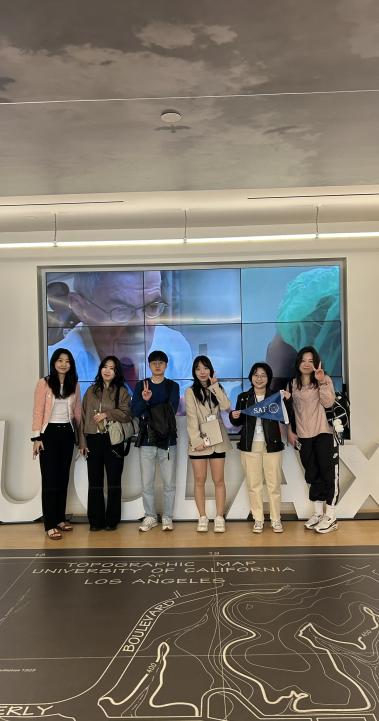
- hosting students participating in customized programs/study tours taking place in the U.S.
- overseeing the integration of SAF students into IES Signature/Internship programs, providing students with even more opportunities to study abroad!
What inspired you to work in the study abroad industry?
I recently came across an interview with an NYU Stern professor where she describes herself as “the poster child for somebody who could have done it sooner.” When I think about international experiences, this is exactly how I feel.
As an undergraduate student, studying abroad was unfortunately not a realistic option for me—financially and because there were very few STEM programs that would help me make progress towards my degree.
It wasn’t until after graduation, when I took my first trip abroad to Japan, that I saw just how transformative international experiences could be.
Immersing myself in a culture so different from my own not only deepened my appreciation for other cultures but also made me reflect on my own identity and heritage as a Vietnamese American. For the first time, I felt a profound sense of pride in my roots and began to see success through a more global lens, rather than just an American one. That experience fundamentally changed the way I see myself and the world, and it continues to influence how I define success and envision my future.
That experience sparked a lifelong passion for cultural exchange and a desire to help others see that there isn’t just one “right” way to live. Traveling opened my eyes to how people around the world define happiness, success, and community in such diverse ways—and how each is equally valid. I want others to have the chance to experience that same sense of freedom and perspective before the feel limited by circumstance or timing.
That’s what led me to move to Japan to teach English and eventually find my way to IES Global and the Study Abroad Foundation.
Working in this field allows me to make these experiences more accessible while bridging cultures, fostering understanding, and supporting students as they grow into global citizens.
Can you share a fun fact about yourself that most people wouldn’t know?
I’ve hiked to the peak of Mount Fuji! There’s a post office at the top, and I deeply regret not sending myself a postcard!! I’ll probably never do that hike again because it really hurt my knees! 😂😅

What’s your favorite hobby or activity outside of work?
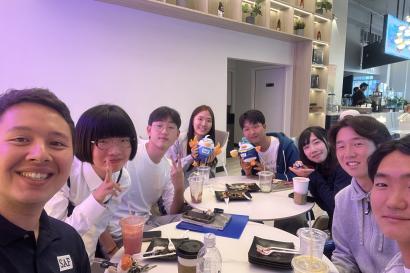
Some of my favorite things to do outside of work include going to concerts and music festivals, traveling (I try to take an international trip once a year), and dancing (I’m nowhere near as good as Jihye from SAF Korea, but I hope to join a beginner/intermediate exhibition team someday).
What’s one piece of advice you’d give to students considering studying abroad?
Ask questions—especially about why certain aspects of your host country are the way they are. At the same time, don’t be afraid to reflect on and share how/why things are the way they are in your home country with local staff and your new friends.
What has been the most rewarding part of your job?
I think one of the most rewarding parts of my job is witnessing students develop their own sense of confidence and independence during their time abroad. For many, it’s their first experience living in another country on their own, and without a schedule managed minute-by-minute for them. For anyone, that can feel overwhelming at first.
However, by providing thorough pre-departure preparation and consistent on-site support, we’re able to create an environment where students feel empowered to take ownership of their experience and navigate challenges on their own. Seeing them realize what they’re capable of is always so inspiring!

How does the local culture influence your work or the experiences of students you serve?
Programs I host in-person typically take place in the Greater Los Angeles Area.
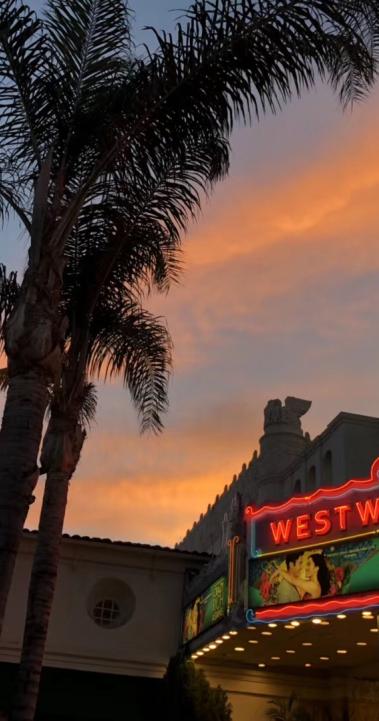
Students often arrive in LA with preconceived notions about the city and its people (thanks to Hollywood and influencer culture) but quickly realize that LA is much more than what they see in movies, news, or social media.
This sparks engaging conversations as students explore their assumptions and the similarities and differences between LA and their hometowns. It has also challenged me to develop skills in facilitating neutral discussions that help students thoughtfully unpack and share their perspectives.
What’s a common question or concern students have, and how do you address it?
SAF students are typically very concerned about their English ability when arriving on-site. In order to support them, I do three main things:
First, I try my best to engage with each student one-on-one or in small groups (while waiting for other students, while commuting to cultural activities, etc.).
Second, I always challenge students to ask at least 1 question to their instructors, tour guides, or locals we cross paths with because this typically turns into a conversation!
And lastly, I (or the other native English speakers they encounter) remind them that their English does not have to be perfect for them to clearly communicate their ideas—all the English conversations they have are proof of that!

What’s one thing you always keep on your desk or in your workspace?
My 3 emotional support beverages!
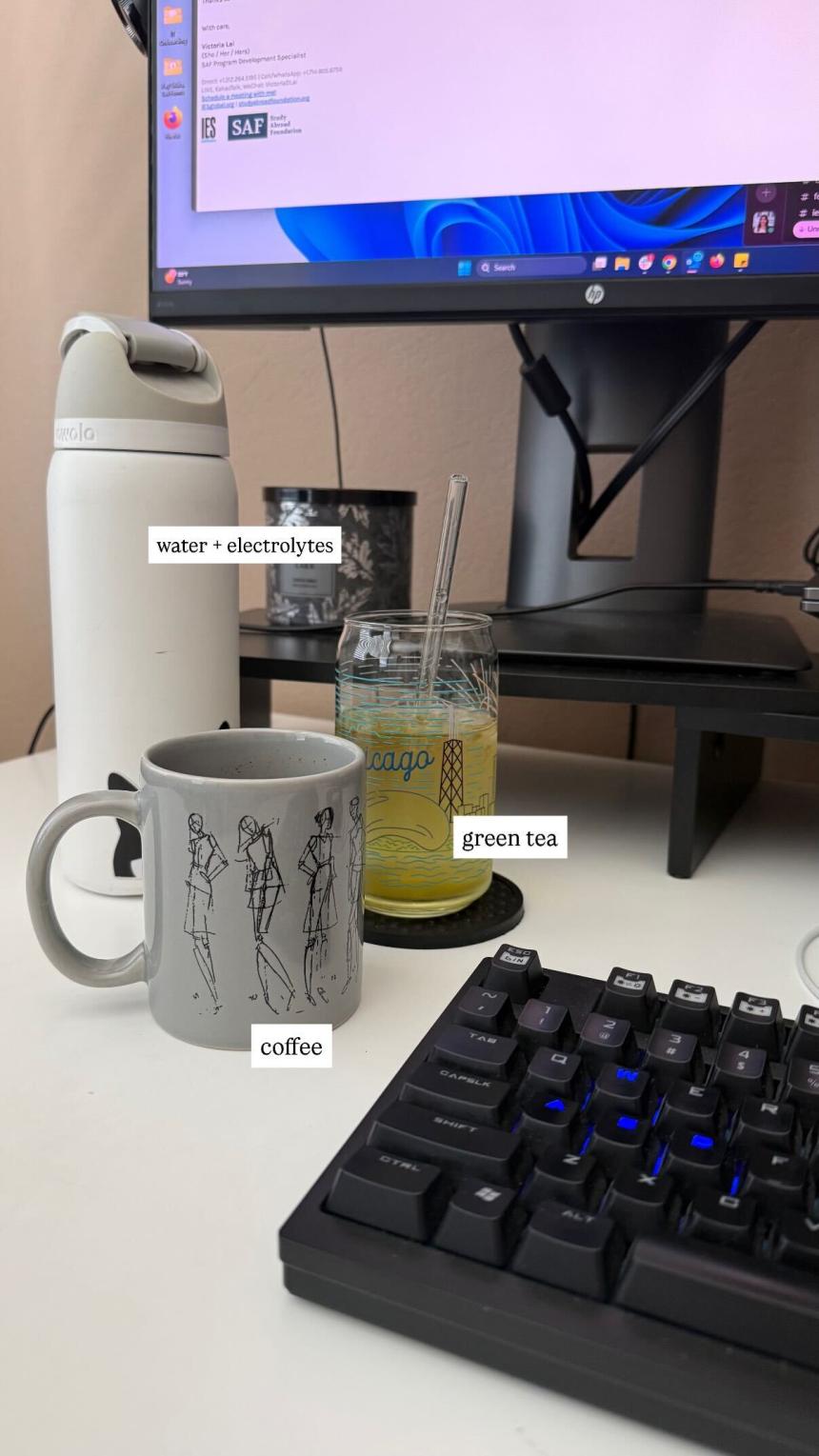
Editor's note: For our readers outside the U.S., this refers to a popular "three drink theory" trend where: one is for hydration (water), one for is energy (coffee/tea), and one is for fun (something like juice or soda).
What does the 25th anniversary of this organization mean to you?
25 years of SAF highlights the importance and value study abroad provides to students all around the world!

How have you seen the organization grow or change over the years?
I recently celebrated my second year with the Study Abroad Foundation. During this time, I’ve seen us strengthen student health and safety protocols, enhance pre-departure programming to improve student outcomes, expand offerings to meet growing demand in STEM and graduate programs, and increase accessibility through our Global Student Grant. We’ve welcomed amazing new team members dedicated to providing students with high-quality study abroad experiences.
SAF has also served as a blueprint for our parent organization, IES Global, as we lay the groundwork to welcome students from additional countries to our programs—further enhancing students’ experiences with diverse cohorts and more opportunities for cross-cultural exchange.
SAF has grown so much in the two years I’ve been part of the team, and I’m excited for all that is yet to come!