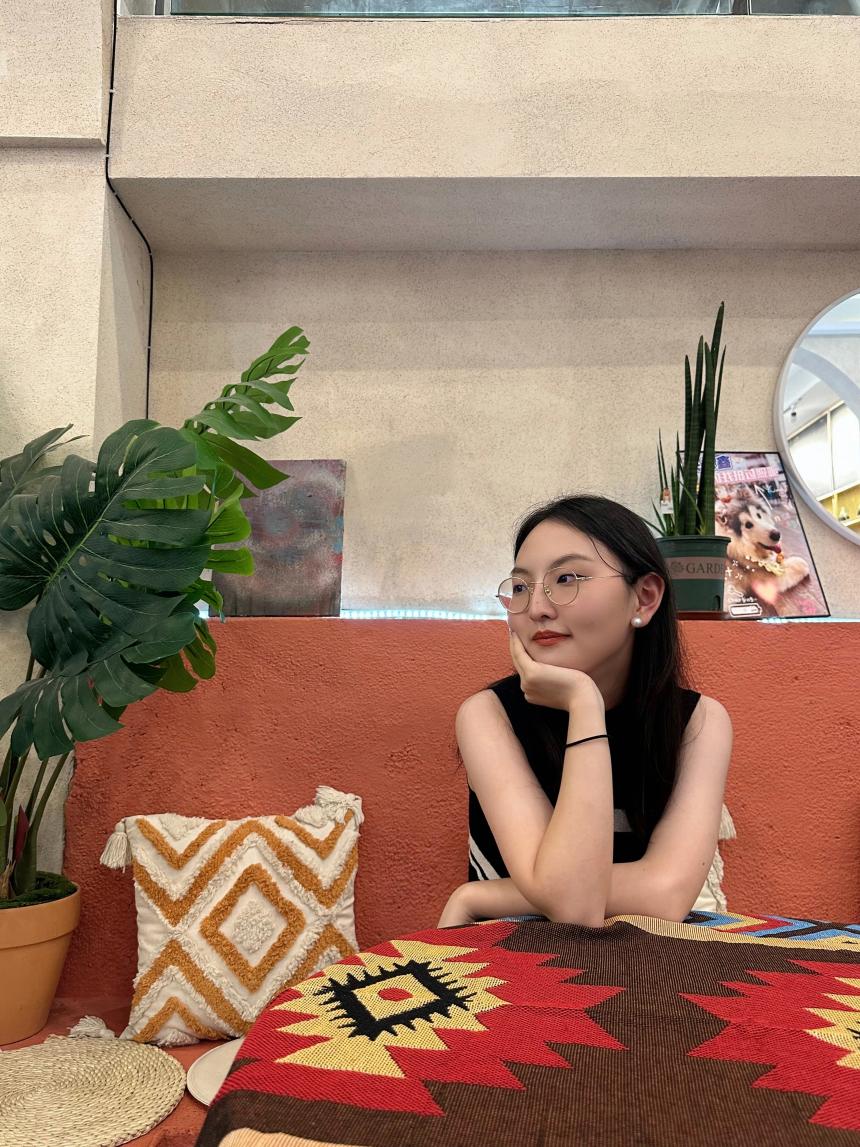
Please give us a brief introduction of who you are, where you studied abroad, what your home university is. Please share any jobs you are currently in, or what you would like to pursue.
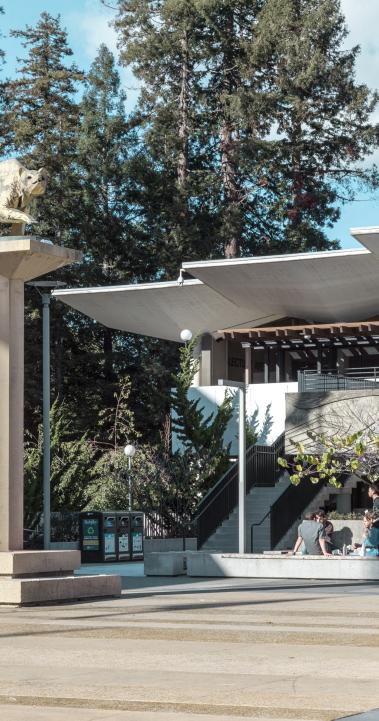
My name is Shiyuan Kang, and I’m 20 years old from the University of Electronic Science and Technology of China. I participated in the summer sessions at the University of California, Berkeley. I am currently a junior majoring in French with a minor in Business Administration. I hope to combine my language skills with business knowledge and pursue a career related to international trade in the future.
How did living in a different culture change your perspective on life or academics?
In China, I often felt anxious about my studies. The competition among students was intense, and I constantly felt that time was never enough. When I came to the U.S., I noticed that people were generally more open-minded and valued personal interests and social life outside of academics. I was gradually influenced by this relaxed atmosphere and learned to focus more on the present instead of worrying too much about the future.
In addition, professors in the U.S. always encouraged us to try new things, even if we didn’t know how. At my home university, students were usually shy, and answering a question incorrectly in class could feel embarrassing. This difference made me more confident and willing to step out of my comfort zone.
What challenges did you face while studying abroad, and how did you overcome them?
The first challenge was language. Even though my English grades were good in China, I realized that I could hardly understand most of what others were saying when I first arrived in the U.S. I once felt insecure about my fluency, but then I reminded myself that English is not my native language, and I had already done well. I tried to speak English more actively, and over time, my speaking skills improved to the point where I could handle most situations confidently.
The second challenge was daily life. Sometimes I forgot to bring basic items, such as an international power adapter. In those moments, I sought help from friends I met at Berkeley, and SAF teachers also supported me. We helped each other and built strong friendships.
How did studying abroad shape your personal growth?
Overall, studying abroad meant spending a lot of time alone. It was a real test of independence, from managing daily life to handling academics, relationships, and cultural differences. There were moments of loneliness, but accomplishing things on my own gave me a great sense of growth and maturity.
What advice would you give to students considering studying abroad today?
Be brave and talk to your professors. Don’t worry too much about your English or about giving the wrong answers. You’ll end up learning much more than you expect.
If you could relive one part of your study abroad experience, what would it be?
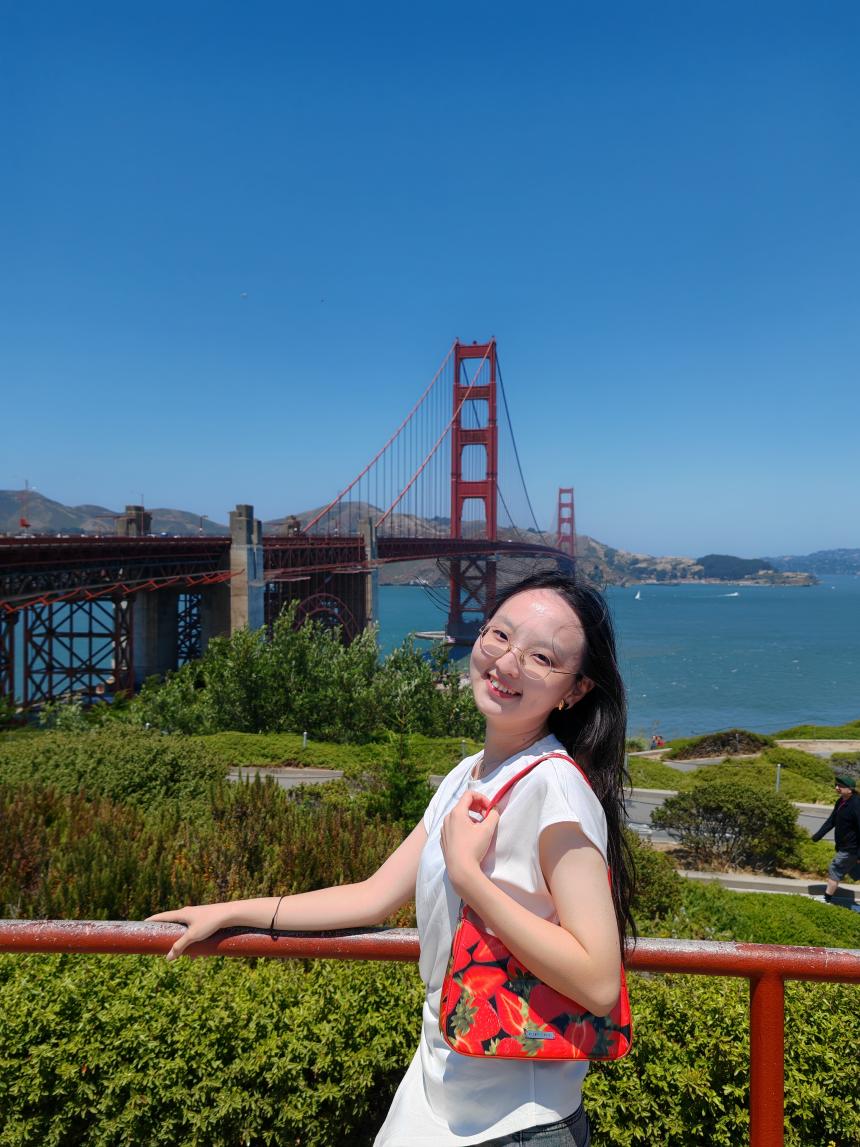
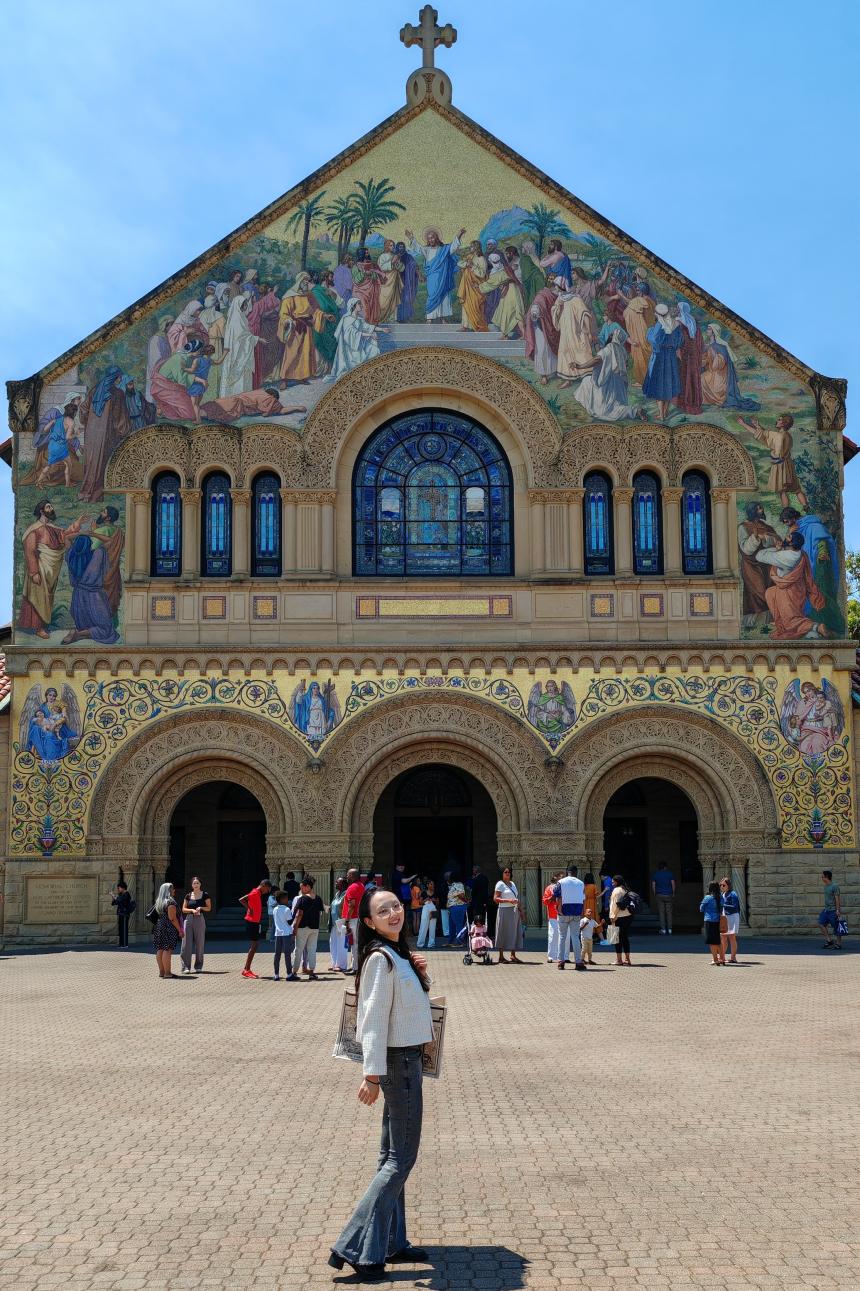
Weekend trips with my international friends — visiting San Francisco, touring Stanford University, having dinner together, sharing stories about our backgrounds, and taking fun photos. Those are some of my favorite memories.
What was the most surprising cultural difference you encountered?
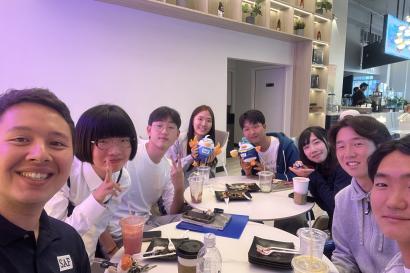
I was surprised that students at Berkeley usually ate in groups, and eating alone in the dining hall was considered strange — I actually heard someone quietly say that once! In China, eating alone is very normal. Many students eat by themselves in the cafeteria, and people usually respect each other’s personal space.
Did you have a favorite local dish, restaurant, or café while abroad?
I actually liked the canteens at Berkeley. They offered a wide variety of food, with balanced nutrition and good taste. They were also very close to the dorms, which made them super convenient.