Guide to Study Tours for International Students

Study tours are gradually becoming one of the most popular options for students to learn about other cultures without committing to a semester abroad. These programs are short, intense, and sometimes only last a few weeks. They are a great way to link what you study in school with real life.
What is a Study Tour?
A study tour is a short academic trip, usually lasting two to three weeks, that focuses on a certain subject or area of study. Study tours are different from regular classroom learning because they transport you to the areas where notions, industries, and history come to life.
The goal of study tours is to immerse students in a single topic area for a brief period, engaging in academic sessions, site visits, guest lectures, and cultural study.
Study Tours vs Semester Programs
Study tours and semester programs are both types of study abroad, although they meet quite distinct needs.
Most semester programs:
Last a few months
Follow a standard academic schedule
Typically give you credits that you may use at other schools
Require detailed planning to fit into a degree program
On the other hand, study tours are:
Shorter and thus more flexible
Focused on a specific field of interest
Usually take place during breaks from college, such as summer or winter breaks
May or may not give you academic credit
How Long do Study Tours Last?
Study tours usually last from two to three weeks. That may seem short, but these programs are meant to have the greatest impact in the least time. Study tours don't replace longer programs, but they add to them. For many students, it's a first step into global learning and a way to get a taste of it before signing up for a longer trip.
A mix of classes, site trips, and group activities makes for a fast-paced but interesting day. The short format helps students stay focused, learn as much as possible, and take advantage of every opportunity.
When do Study Tours Take Place?
One of the best things about study excursions is their flexibility. Most of the time, they happen during breaks from school, such as in the summer, or during the winter or spring holidays.
This schedule lets students take part without missing class or delaying their graduation. Study trips are a good opportunity for people with hectic school schedules, internships, or part-time jobs to squeeze in foreign learning.
Benefits of Study Tours
Study tours are different from other types of trips because they combine schoolwork with real-life experiences. Some of the main benefits are:
Focused Learning
Study tours usually have a theme that lets you look into one area in depth. The condensed style lets you learn more about digital marketing, sustainability, or global business in a short amount of time.
Real-World Experience
You can see how ideas work in the real world by visiting relevant websites and talking to local experts. Learning this way makes topics more hands-on and easier to remember.
Cultural Immersion
Living in a different nation automatically makes you think in new ways. You see how businesses operate, how individuals communicate, and how cultural differences affect decision-making.
Professional & Academic Knowledge
Guest lectures, corporate visits, and in-person workshops are common parts of many study tours. These experiences can help you learn a lot about possible career pathways and industries worldwide.
Personal Growth
Being able to get around in a new place, even for a short period, helps you become more confident, flexible, and independent. Students frequently come home feeling more confident and open-minded.
Networking
Study tours give you the chance to make friends and professional connections that can last long after the program ends. You can meet classmates, local peers, and teachers.
Examples of Study Tours
It helps to look at real examples to get a better idea of how study trips work in practice.
Digital Marketing in London

In a recent program offered by SAF, students learned about the rapidly changing world of digital marketing in London. With the help of skilled educators, they learned how to develop consumer personas and plan content to get people to interact with them online.
Students learned about e-commerce and online communication through case studies, workshops, and guest lectures. They worked with professionals in this field and local students to connect theory with practice.
It wasn't all about school, of course. Students also had the opportunity to look around the city and enjoy everything from modern metropolitan parks to old-fashioned tearooms serving classic cream teas. These cultural experiences made the learning experience even better by introducing an additional layer.
Preparing for a Career in Milan

A career-focused study tour in Milan that prepares students for foreign employment markets is another great example.
The program doesn't offer short-term internships, which can be hard to plan out in a meaningful way in only a few weeks. Instead, it offers planned workplace visits together with academic courses. Students learn about differences in hiring processes across countries, including how resumes are written and what is expected in the job.
They visit businesses across many fields and examine how people work together and how leaders act. For many people, these visits are very eye-opening. Students learn that there isn't just one "right" way to work when they see how communication, structure, and workplace norms are different.
The program also helps students improve their resumes, practice for interviews, and create professional profiles they can use right away. They don't just leave with fresh information, they also leave with tools they can use in their future jobs.
A Short-Term Trip with Long-Time Impact
Even though study visits are short, they can have a big effect. In just a few weeks, students learn about different cultures, increase academic knowledge, and boost their self-esteem, all of which can affect their future choices.
Study tours are a good way to start for people who are thrilled but perhaps unsure about studying or working abroad. They give you a safe, organized space to learn about new places, ideas, and options.
That brief experience can lead to something bigger, like a new academic interest, a global career goal, or simply a deeper awareness of the world. That's the real benefit of a study tour, not just what you learn while you're there, but how it alters the way you consider what comes next.
If you’re ready to find out more about study tours through IES and SAF, book a consultation today.
Related Programs
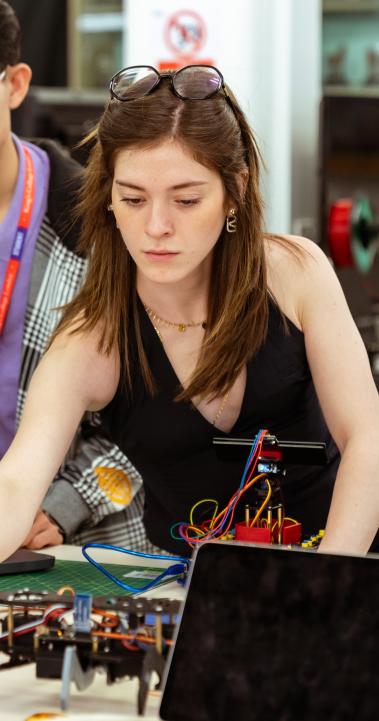

King’s College London Study Tour on AI


London Digital Marketing with IES Abroad