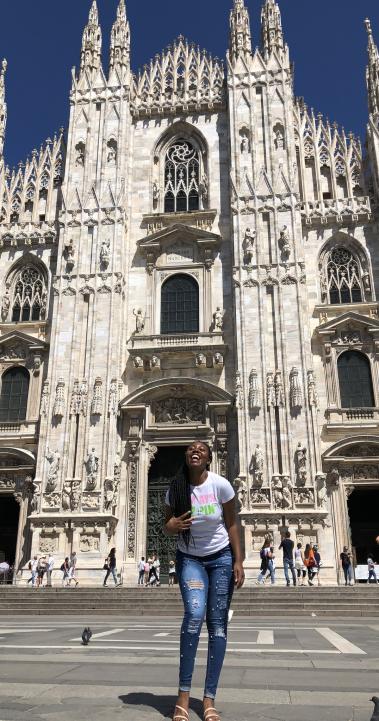
For many students today, the idea of working internationally feels equal parts exciting and intimidating. They may imagine a global career, yet have few opportunities to test that ambition in a structured, supportive way.
For universities across Asia, meeting students where they are requires designing international experiences that are both meaningful and realistic. Cost, academic calendars, language confidence, and degree progression all shape what is possible. Traditional semester exchanges or short-term internships are not always feasible, yet the demand for that global exposure remains strong.
That’s where thoughtfully designed short-term programs can make a difference.
What the program entails
SAF’s Career Readiness Study Tour in Milan is one such model. The program offers students firsthand exposure to international professional environments while equipping them with practical tools they can use immediately.
Over the course of the program, students explore what the job search process looks like in Europe, from resume formats to employer expectations.
“We talk about very concrete things,” says Dr. Brandi DeMont, the program’s academic lead and a specialist in intercultural communication and career development. “What documents will you be asked to submit? How does a Korean resume differ from a European CV? These details matter when you’re applying for jobs in Germany, Italy, Belgium, or even North America. It’s about planting seeds so students can start thinking strategically about how they present themselves in any job market.”
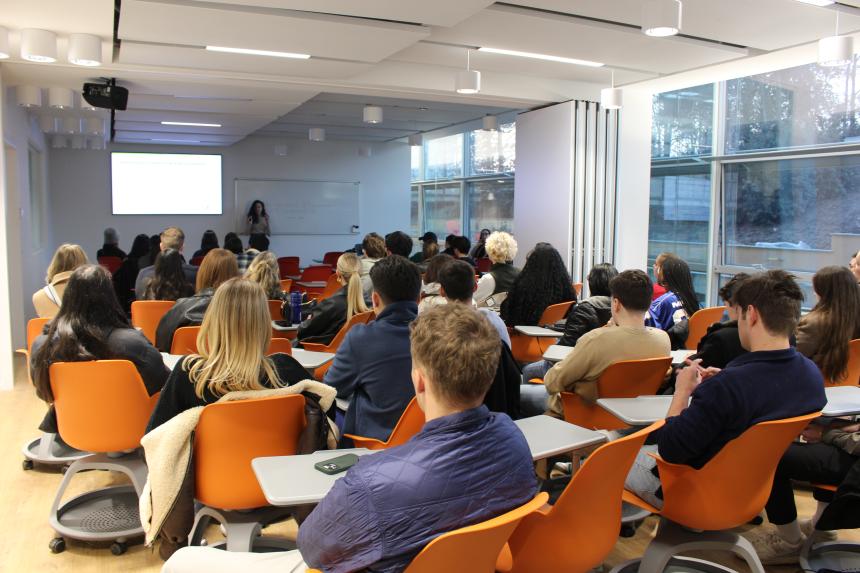
“I try to make everything immediately useful. Around 95 percent of our students tell us they hope to work abroad at some point. This program is about helping them prepare for that in a realistic way.” –Dr. Brandi DeMont, Program Academic Lead
An alternative to short-term international internships
The program was originally developed in response to a partner university’s request for short-term overseas internships. After initial research, it became clear that two-week placements were not practical for most companies to host in a meaningful way. Instead, SAF collaborated with IES Abroad Milan to create a structured alternative: curated company visits paired with academic coursework and guided reflection.
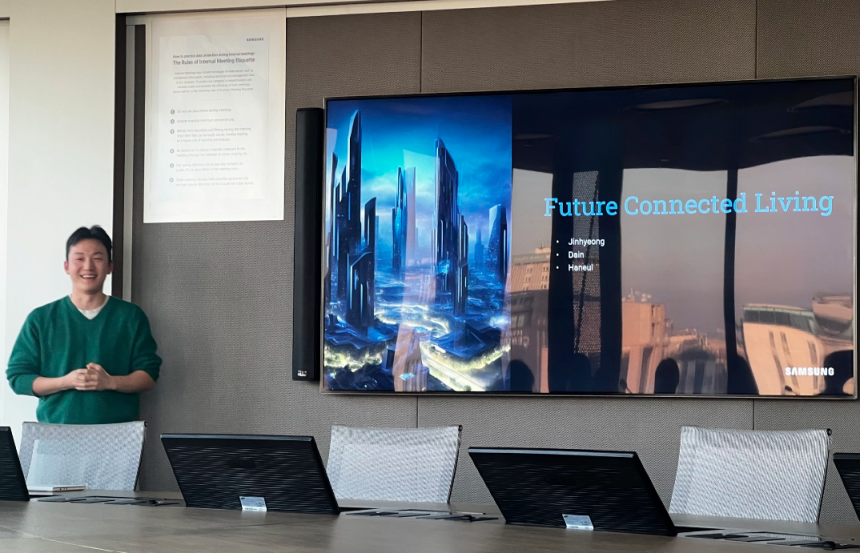
Students begin with virtual sessions prior to departure, focusing on intercultural communication, workplace expectations, and professional self-presentation. Once in Milan, they visit companies across industries and departments – from marketing and HR to product development and leadership – in both multinational and locally rooted firms.
“One recent visit was to WeRoad, a travel company whose office is very informal,” says Alessia Palmieri, the program’s coordinator.
“Students immediately noticed how casually people dressed and how openly they interacted. For many, especially those from more hierarchical systems, it was eye-opening. It helped them see there isn’t just one ‘correct’ way to run a company.” –Alessia Palmieri, Program Coordinator
Dr. DeMont observed a similar reaction when engineering students visited Google’s Accessibility Discovery Center.
“They were struck by how much thought goes into designing products for people with special needs. Several students told us those considerations aren’t emphasized in their coursework at home. It encouraged them to think more creatively about their own designs, and to approach engineering with a broader, more inclusive perspective.” –Dr. Brandi DeMont, Program Academic Lead
Building confidence across cultures
Alongside company engagement, students participate in coursework adapted from IES Abroad’s Internship Seminar curriculum. They reflect on communication styles, problem-solving approaches, and cultural assumptions, connecting theory directly to their on-site experiences. The program culminates in tangible outcomes: students revise and submit a resume, complete a mock interview, and build a LinkedIn profile that they present in an elevator-pitch format.
While students inevitably notice cultural differences – even something as simple as a mid-morning espresso break that temporarily pauses the Italian workday – Dr. DeMont emphasizes adaptability over judgment.
“At the end of the day, it’s about paying attention to the person in front of you,” she says. “What behaviors make sense in this context? How can you communicate confidently while still being respectful? I want them to feel more open, more self-assured, and less dependent on being prompted.”
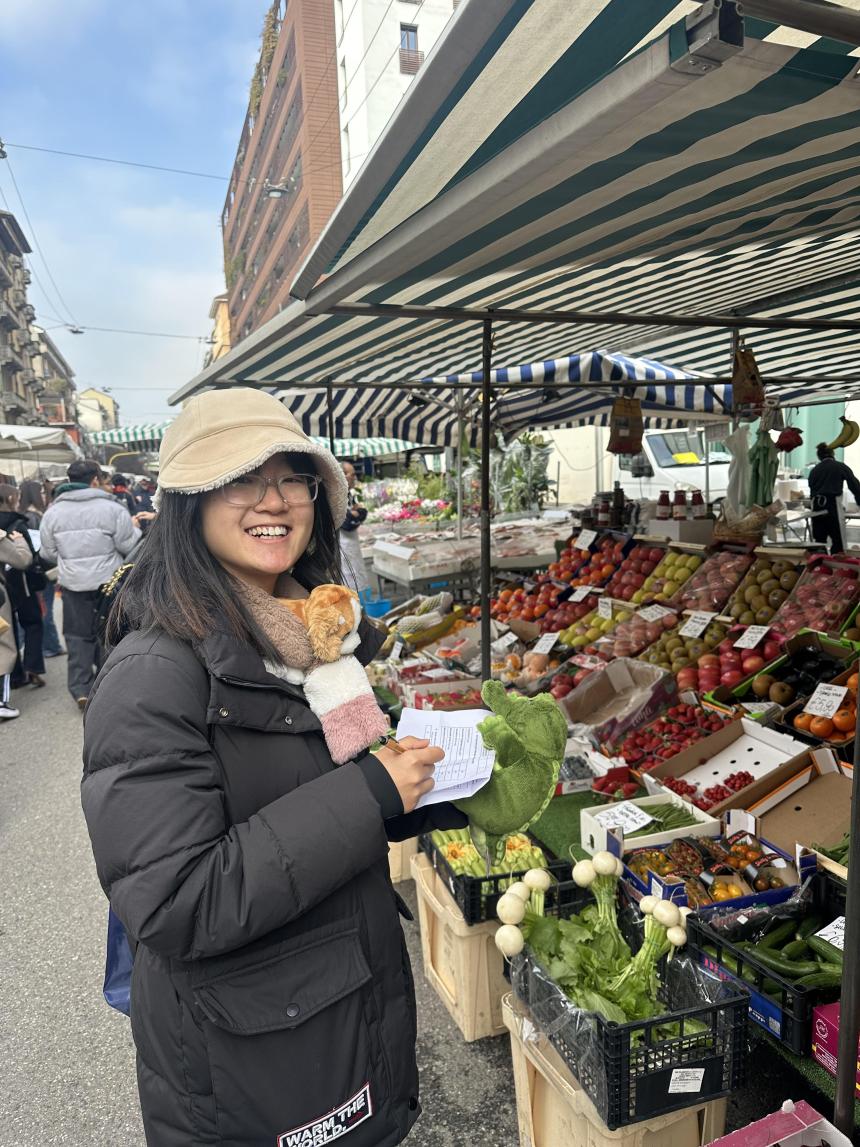
Intercultural growth also takes place through “twinning activities,” which bring together SAF participants and other international students, typically from the U.S., in Milan. A visit to a local open-air market, for example, pairs students across cultures to practice language skills and navigate unfamiliar environments together. These moments of shared experience have proven transformative, according to SAF staff.
Students keep journals throughout the program, which Ms. Palmieri reviews afterwards, commenting:
"The growth you see over just a couple of weeks is remarkable. Their confidence in expressing themselves – even in English – really shifts.” –Alessia Palmieri, Program Coordinator
A collaborative model for global learning
Programs like this are built through close collaboration. SAF works directly with university partners and local teams to understand each cohort’s goals, constraints, and priorities. From there, the structure is refined. and adjusted over time based on student and institutional feedback.
The aim isn’t to deliver a fixed template, but to create an experience that genuinely fits.
Short-term study tours like these are not meant to replace longer programs. Instead, they offer a practical first step, giving curious students a focused international experience that builds confidence and perspective in a relatively short time. In many cases, those few weeks abroad can shift how students see their own potential in a global context.
For more information on how your institution can participate in the Career Readiness Study Tour in Milan – or collaborate with SAF to design a tailored global experience for your students – connect with our team to learn more.