College vs University: What's the Difference?

People sometimes use the words "college" and "university" as if they mean the same thing. While both words refer to higher-education institutions, the words do mean different things. Furthermore, they can even be mean different things in different countries.
So let's break down the differences for any international students thinking about studying abroad.
What is a University?
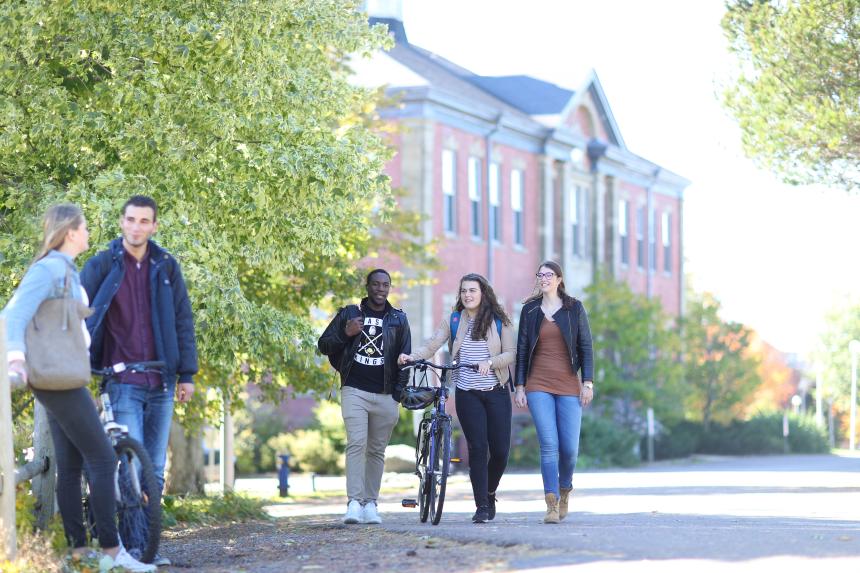
A university is an institution for higher education that someone attends after high school.
They are often divided into different departments that focus on certain subjects, so students can specialize in what they want to study.
Examples include:
What is a College?

Depending on the country you're in, a college is also a school for higher education that you attend after high school—but it's often referring to one school/department at a university.
Colleges offer specific programs, degrees, or communities, and they most commonly specialize within a field of study.
Many universities have their own colleges. UC Berkeley's Haas School of Business is just one of the university's many options, and the Women's College at UQ and Science Faculty at Dalhousie University are a couple other examples.
American vs. British/Australian English Definitions
In the US, the word "college" can mean any school you go to after finishing high school. This includes two-year community colleges and four-year universities where you can earn a bachelor’s degree.
In the UK or Australia though, "college" often means a school that gives specialized education or is part of a bigger university, like a college at Oxford or Cambridge.
This means that if you study abroad in the UK or Australia, you may hear people say “uni” when talking about their higher education. Meanwhile in the United States, people will sometimes say "college" to talk about any school they went to after high school.
Differences Between Colleges and Universities
Both colleges and universities are thus schools for higher education that offer different degrees or certifications. But there are still more key differences between the two.
Programs, Degrees & Offerings
Traditional universities typically offer a variety of degrees, including bachelor's, master's, and doctoral degrees. At larger universities, you can explore a wide range of academic options even as a visiting student.
In contrast, colleges tend to focus on specific fields or areas of study. Enrolled students at colleges are usually working towards a bachelor's degree, an associate's degree, or a certification.
Big Schools vs Smaller Schools
The size of the school you attend can greatly influence your student experience.
Larger universities often offer more advanced choices for individual and group learning, research, and access to extensive libraries, making them a good choice if you want to focus on your studies.
On the other hand, smaller colleges may have limited resources but have smaller classes and a close-knit campus community. This can make it easier to make friends and network, which is important for students!
Read more: Big vs Small University: Which is Best for Study Abroad?
Different Types of Schools
Hopefully, you are now aware of the distinctions between universities and colleges. However, it's important to remember that colleges and universities themselves come in a variety of forms. Understanding these types can help you make informed choices about your education.
Different Types of Colleges
Since a "college" can mean different things, you should familiarize yourself with the different kinds of colleges you might see:
- Liberal Arts Colleges: Focus on a large range of subjects for a well-rounded education.
- Community Colleges: Offer less expensive two-year degrees or certificates, often allowing transfers to universities.
- Vocational Colleges: Teach specific career skills for direct entry into the workforce.
- Residential Colleges: A community where you live with everyone focused on their academics.
- Constituent Colleges: Operate independently under a larger university, with their own study programs and tuition.
Public vs Private Universities
Another key difference between schools is whether they are public or private which refers to their funding.
Public schools get most of their money from the government. In many countries, most universities are public. For example, in the UK, most universities are paid for by public funds. Still, there are some private universities in the UK, like the University of Buckingham, Arden University, and the University of Law.
In the United States, many famous universities are actually private which often makes them more expensive. These include Stanford, Harvard, and other Ivy League schools. Because of this, getting a degree from a top university in the US often costs students a lot of money.
Research Schools
A research school is a type of university that focuses on both teaching and research. Faculty and students often get funds for their projects and have access to special labs where they can test theories and make discoveries.
Research school students can work on projects and may even have the chance to share their results in academic journals. This is a great place to be for people who want to work in STEM areas or go to graduate school.
Relevant College Terminologies to Keep in Mind
You now know the difference between colleges and universities and different types of colleges and universities.
However, this doesn't cover exceptions or other related terms you'll see in schools across the world. So just to be thorough, let's cover a few more common terms.
Faculty
The term "faculty" in schools generally refers to the group of instructors and researchers, including advisors, lecturers, and professors.
It can also refer to a team in a specific field, like the Faculty of Arts or Faculty of Engineering. These divisions may be categorized by academic level, such as undergraduate or graduate, which can create confusion since they may also be called departments or colleges. Additionally, terminology can vary between countries.
Programs
A program is a collection of classes or exercises you take on a specific topic. For instance, you could enroll in a computer science program if you're interested in studying technology. You learn all you need to know about that subject in the many classes offered within a program.

Completing a program could get you a degree, certificate, or academic credits. Some programs, on the other hand, are solely for education and others are for personal development.
Campus
The grounds of a school are another name for the campus. It includes all the classrooms, libraries, dining areas, residence halls, and sports facilities where students reside and socialize at a college or university.
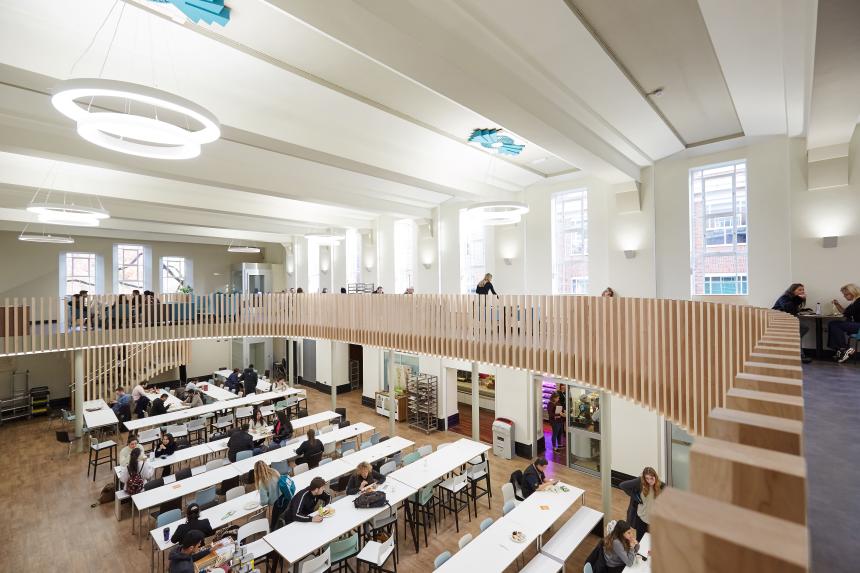
Events, including student club meetings, academic competitions, and cultural festivals, are common on large campuses. These events contribute to the campus's lively and friendly atmosphere. As a result, when international students are considering where to study, the campus environment and its features can play a big role in how they experience the culture of the city and the school.
Summary: Is College & University the Same?
The short answer is: not exactly, but the words can be used similarly.
Both "college" and "university" refer to higher-education schools, but a college is often a specific school inside of a larger institution known as a university.
There are different kinds of colleges and universities, and there are types and terms that are specific to different countries.
Picking as an International Student
When choosing a school, it's important to consider your field of study, career goals, and campus preferences. The decision can greatly impact your future!
If you are ready to learn more or have questions, please contact an SAF counselor to schedule a consultation! We simplify the process of comparing courses and schools, helping you find the options that will best support your success. We also explain how your credits will transfer to your home institution, making it easier for you to make an informed decision.
Related Programs
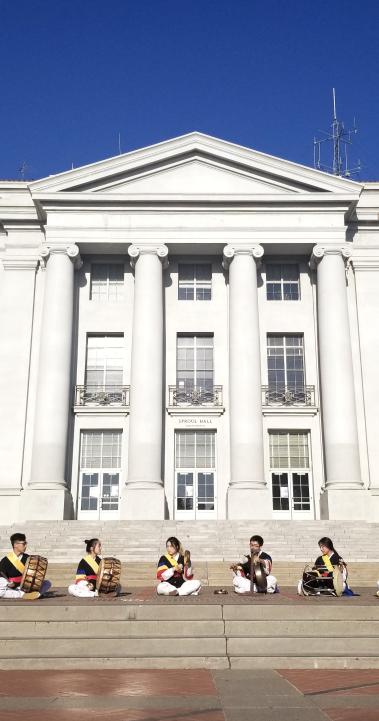

UC Berkeley Multidisciplinary Studies


UC Berkeley Haas Business


Dalhousie University Language Pathway


Yonsei University Korean Program


UQ English Language Standalone Program